
The brain, an energy-hungry organ
The brain accounts for around 2% of body weight, but uses about 20% of the body’s energy at rest. Every thought, every memory and every nerve impulse depends on a constant supply of ATP, your cells’ energy molecule.
That is why everything to do with energy production and storage in neurons attracts so much interest in neuroscience and biohacking.
Creatine in the brain
The brain has its own creatine and phosphocreatine system, the same mechanism that gives muscle immediate energy. It works like a buffer: when energy demand suddenly rises, phosphocreatine regenerates ATP instantly.
The brain gets creatine in two ways: it makes part of it itself and receives the rest from the blood through a specific transporter. Research has observed that creatine supplementation can raise its levels in the brain, more gradually and moderately than in muscle.
What science is studying
The relationship between creatine and the brain is one of the fastest-growing areas in nutrition. These are the main lines of research:
- Memory and cognitive function in healthy adults: several recent systematic reviews and meta-analyses have pooled the published trials on this topic.
- High-demand situations: times when the brain works at its limit, such as lack of sleep or prolonged mental effort.
- Ageing: interest in creatine in older adults, who already have a recognised benefit for muscle strength.
- Vegetarian and vegan diets: people with a lower dietary intake of creatine.
If you want to go deeper, you will find the most relevant scientific reviews at the end of this guide.
Why biohackers are so interested
Science-based biohacking looks for simple, safe, data-backed interventions. Creatine ticks all three boxes: it is one of the most studied supplements in the world, it has a solid safety profile and it acts on something as fundamental as cellular energy.
That is why it has become a pillar for people who look after their physical and mental performance in the long term.
What is recognised for the brain: DHA
If you are looking for a nutrient with an authorised health claim for the brain, that nutrient is DHA, the omega-3 that forms part of the structure of neurons:
DHA contributes to maintenance of normal brain function.
The beneficial effect is obtained with a daily intake of 250 mg of DHA. The 3 daily softgels of our omega-3 provide 360 mg.
And for creatine, European regulation recognises its effect on physical performance:
Creatine increases physical performance in successive bursts of short-term, high intensity exercise.
The beneficial effect is obtained with a daily intake of 3 g of creatine. Intended for adults performing high intensity exercise.
How it fits into your routine
Creatine and omega-3 complement each other naturally: creatine gives your cells immediate energy and DHA forms part of their membranes. In the NG Advanced ritual, omega-3 comes in the morning and creatine during the day, with magnesium + B6 in the evening to close.
The creatine dose is the same for any goal: 3 g per day, consistently.
Frequently asked questions
Does creatine reach the brain?
Yes. The brain makes part of its creatine and receives the rest from the blood through a specific transporter. Studies have observed that supplementation can gradually raise brain levels.
What type of creatine is used in the studies?
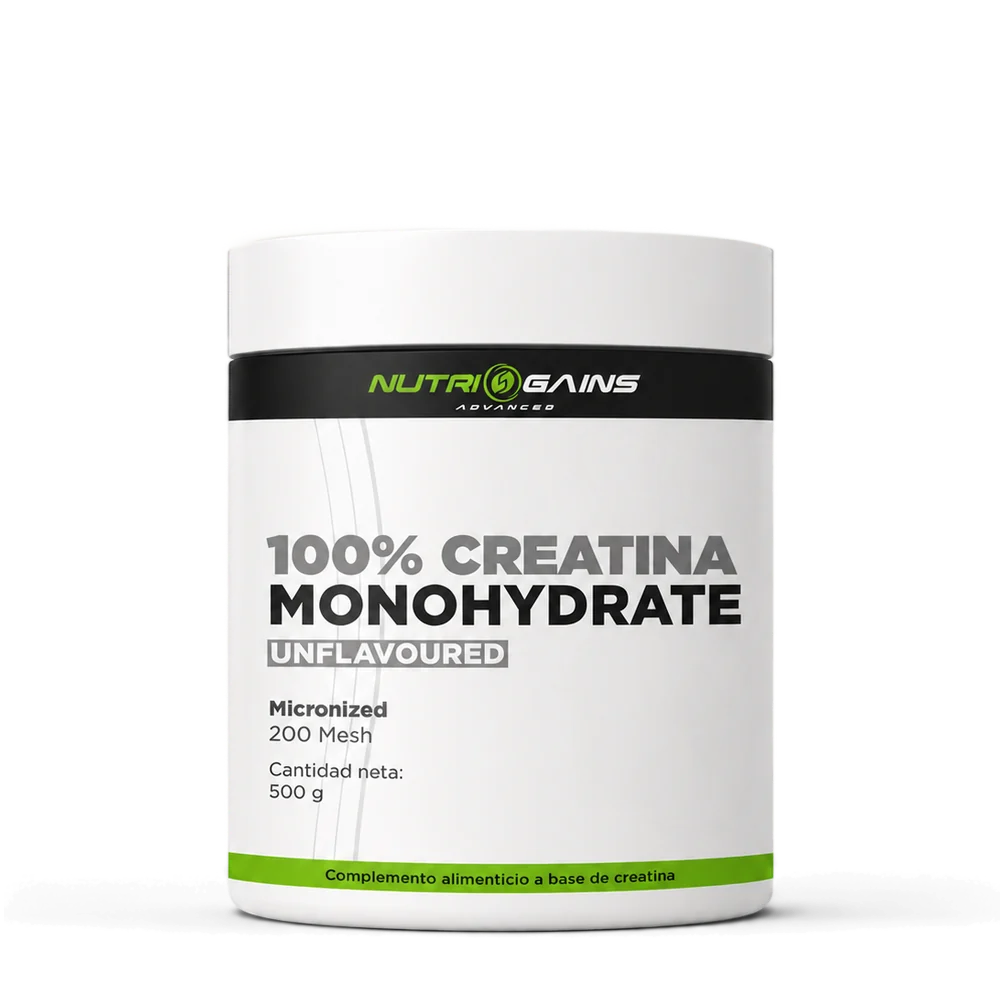
Creatine monohydrate, the same form we use at NG Advanced, with 99.99% purity.
Which nutrient has an authorised claim for the brain?
DHA: it contributes to maintenance of normal brain function with a daily intake of 250 mg. Our omega-3 provides 360 mg of DHA in 3 softgels.
Can I take creatine and omega-3 together?
Yes. That is exactly Pack Vida: omega-3 in the morning, creatine during the day and magnesium + B6 in the evening.
Sources
- Avgerinos et al. (2018): creatine and cognitive function in healthy people, systematic review
- Prokopidis et al. (2023): creatine and memory in healthy people, meta-analysis
- Xu et al. (2024): creatine and cognitive function in adults, meta-analysis
- Kreider et al. (2022): bioavailability, efficacy and safety of creatine
- Regulation (EU) No 432/2012: authorised health claims