
What omega-3s are
Omega-3s are a family of polyunsaturated fatty acids. The three most important are ALA (alpha-linolenic acid), found in seeds such as flax and in walnuts, and EPA and DHA, the long-chain omega-3s found in oily fish.
The body converts only a small part of ALA into EPA and DHA, so the direct way to get them is to eat oily fish (sardines, mackerel, salmon, anchovy) or take a good fish oil.
EPA and DHA: two complementary roles
Both are incorporated into your cell membranes, the layer that controls what comes in, what goes out and how cells communicate with each other. But each has its speciality:
- DHA: one of the main structural components of the brain and the retina.
- EPA: the raw material for molecules the body uses as signals.
That is why a good omega-3 always declares both figures separately.
Benefits recognised by European regulation
EPA and DHA have three health claims authorised in the European Union:
EPA and DHA contribute to the normal function of the heart.
The beneficial effect is obtained with a daily intake of 250 mg of EPA and DHA.
DHA contributes to maintenance of normal brain function.
The beneficial effect is obtained with a daily intake of 250 mg of DHA.
DHA contributes to the maintenance of normal vision.
The beneficial effect is obtained with a daily intake of 250 mg of DHA.
All three are obtained from 250 mg per day: a clear threshold for comparing any supplement.
How much omega-3 to take per day
EFSA sets 250 mg of EPA and DHA per day as the adequate intake for adults, the same amount at which the authorised benefits are obtained. On average, that is what one or two portions of oily fish a week provide.
EPA + DHA per daily serving
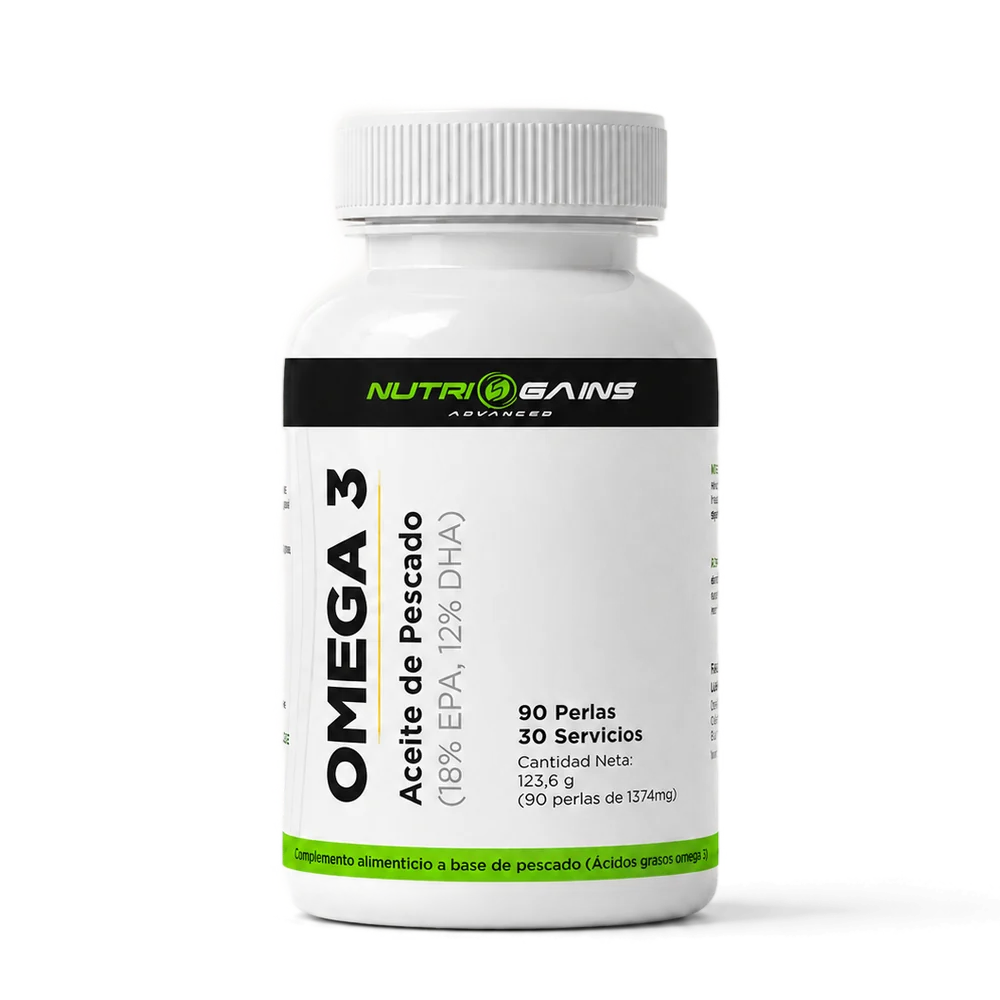
Our omega-3 provides 900 mg of EPA and DHA per serving, more than three times the reference, and EFSA considers intakes of up to 5 g per day of combined EPA and DHA to be safe for adults.
How much does your diet provide? Find out with our omega-3 calculator.
How to read the label
The figure that matters is the total EPA and DHA per daily dose, not the milligrams of oil. This is how to read ours:
| Per 3 softgels | Amount |
|---|---|
| Fish oil (anchovy) | 3,000 mg |
| EPA (18%) | 540 mg |
| DHA (12%) | 360 mg |
| EPA + DHA | 900 mg |
| Natural vitamin E | 40 mg (333% NRV) |
If you want to dig deeper into comparing omega-3s, we explain it in How to choose a good omega-3.
When to take it
Omega-3s are fats, so the ideal is to take them with a meal, preferably one that includes some fat. In the NG Advanced ritual, omega-3 is the first moment of the day: 3 softgels with breakfast. If you prefer, you can spread them across your three main meals.
The omega-3 index, the biohacker’s marker
The omega-3 index measures the percentage of EPA and DHA in your red blood cell membranes. It is analysed from a small drop of blood and reflects your intake over recent months, which is why it is one of the favourite markers of people who manage their health with data.
The strategy for building it is simple: daily consistency, real amounts and a quality oil.
Frequently asked questions
What is the difference between EPA and DHA?
Both are long-chain omega-3s. DHA is a structural component of the brain and the retina; EPA is the raw material for molecules the body uses as signals. Together they contribute to the normal function of the heart.
How much omega-3 do I need per day?
EFSA’s reference is 250 mg of EPA and DHA per day. Our omega-3 provides 900 mg in 3 softgels.
Is it better to take it in the morning or at night?
What matters is taking it with a meal. We suggest breakfast, as the first moment of your daily ritual.
Can I take omega-3 if I eat fish?
Yes. The supplement ensures a steady intake every day, including the weeks when you eat less oily fish.
Can I take it if I’m on medication?
If you take anticoagulants or any medication, check with your doctor or pharmacist first.