
The reference figures
| Reference | Daily amount |
|---|---|
| Adequate intake, adult men (EFSA) | 350 mg |
| Adequate intake, adult women (EFSA) | 300 mg |
| Nutrient reference value (labelling) | 375 mg |
The NRV is the figure that appears on European Union labels to express the percentage each product covers.
Where magnesium comes from
The best sources are seeds, nuts, pulses, wholegrains and green leafy vegetables. We go into detail in Magnesium-rich foods.
How to top up your intake
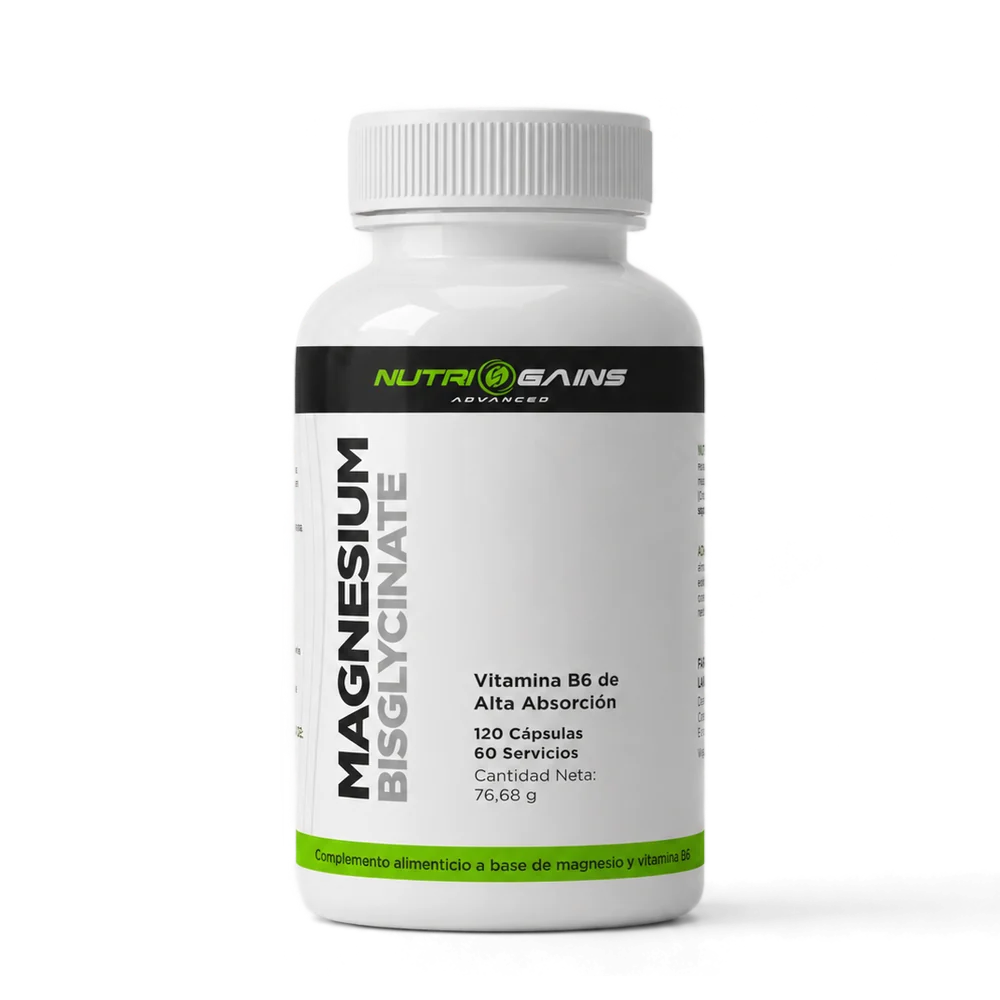
A supplement lets you secure a fixed amount every day. Our 2-capsule serving provides 200 mg of elemental magnesium, more than half the daily reference value:
Your daily serving against the reference value
Magnesium contributes to a reduction of tiredness and fatigue.
One capsule or two?
The label allows 1 to 2 capsules per day. We suggest the full serving of 2 capsules in the evening. If you prefer a gentler start, you can begin with 1.
Always read the elemental magnesium
When comparing products, look at the elemental magnesium per serving, not the weight of the compound. We explain it in Types of magnesium and elemental magnesium.
Frequently asked questions
How much magnesium do I need per day?
EFSA sets an adequate intake of 350 mg per day for adult men and 300 mg for adult women.
What is the NRV for magnesium?
The nutrient reference value used on labels: 375 mg per day.
How much magnesium does your formula provide?
200 mg of elemental magnesium per 2-capsule serving, 53% of the NRV.
Can I take just one capsule?
Yes, the label allows 1 to 2 capsules per day. With 2 you get the full serving.