
A structural component of the brain
The brain is an organ very rich in fats, and DHA is the predominant omega-3 fatty acid in its membranes, especially at the synapses, the connection points between neurons. It is also a main component of the retina.
Because the body makes very little of it, its presence in the brain depends largely on what you get from your diet.
Authorised benefits
DHA contributes to maintenance of normal brain function.
The beneficial effect is obtained with a daily intake of 250 mg of DHA. The 3 softgels of our omega-3 provide 360 mg.
DHA contributes to the maintenance of normal vision.
The beneficial effect is obtained with a daily intake of 250 mg of DHA.
How much DHA you need
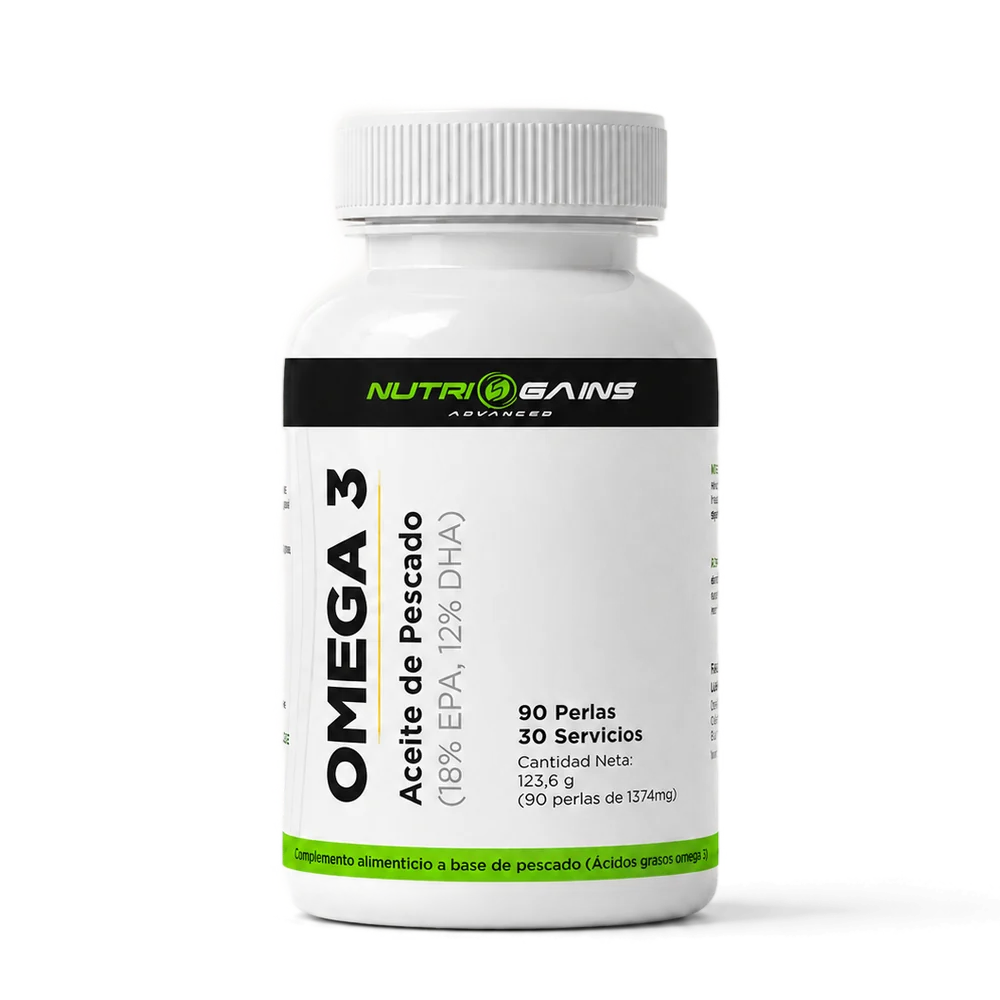
Both benefits are obtained with 250 mg of DHA per day. Our omega-3 provides 360 mg of DHA per serving, together with 540 mg of EPA.
EPA + DHA per daily serving
And EPA, its partner
EPA completes the team: together with DHA, it contributes to the normal function of the heart. That is why a good omega-3 provides both, declared separately.
EPA and DHA contribute to the normal function of the heart.
The beneficial effect is obtained with a daily intake of 250 mg of EPA and DHA.
DHA and biohacking
People who look after their long-term mental performance usually combine DHA with other pillars: regular sleep, training and a good diet. If you are interested in brain energy, we also explain what science is studying on creatine and the brain.
Frequently asked questions
What is DHA for?
DHA contributes to maintenance of normal brain function and to the maintenance of normal vision, with 250 mg per day.
How much DHA does your omega-3 provide?
360 mg of DHA per 3-softgel serving, together with 540 mg of EPA.
Can DHA be obtained from the diet?
Yes, mainly from oily fish. The supplement ensures a steady intake every day.
Can it be combined with creatine?
Yes. That is Pack Vida: omega-3 in the morning, creatine during the day and magnesium + B6 in the evening.