
The reference: 250 mg per day
EFSA sets an adequate intake of 250 mg of EPA and DHA per day for adults, the same amount at which the authorised benefits for the heart, brain and vision are obtained. On average, that equals one or two portions of oily fish a week.
How much each fish provides
| 85 g portion | EPA + DHA |
|---|---|
| Farmed Atlantic salmon, cooked | 1.83 g |
| Herring, cooked | 1.71 g |
| Tinned sardines | 1.19 g |
| Mackerel, cooked | 1.02 g |
| Trout, cooked | 0.84 g |
| Tinned light tuna | 0.19 g |
| Cod, cooked | 0.14 g |
Source: NIH, Office of Dietary Supplements. As you can see, the species matters a lot: small, oily fish concentrate far more omega-3 than white fish.
Work out your own intake with our omega-3 calculator.
Small fish, more purity
Small species, such as sardines or anchovy, feed at the base of the food chain and accumulate far fewer heavy metals than large predators.
- Plankton
- NG AdvancedAnchovy
- Tuna and swordfish
Heavy metal accumulation →
Why a supplement makes it easy
- Every day, whatever the menu: omega-3 builds up through consistency.
- Exact amount: you know how much EPA and DHA you are taking.
- Chosen origin: in our case, oil exclusively from Cantabrian anchovy.
EPA and DHA contribute to the normal function of the heart.
The beneficial effect is obtained with a daily intake of 250 mg of EPA and DHA.
DHA contributes to maintenance of normal brain function.
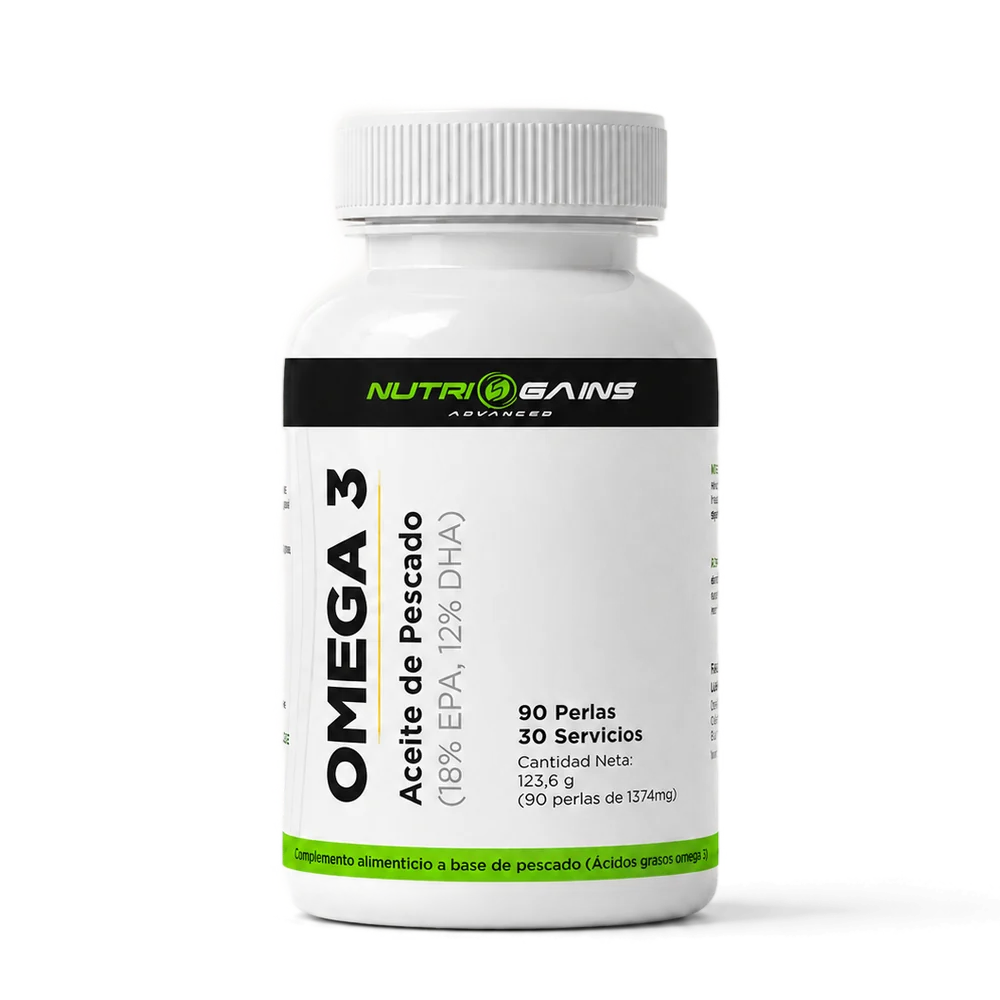
The beneficial effect is obtained with a daily intake of 250 mg of DHA. The 3 softgels of our omega-3 provide 360 mg.
Frequently asked questions
How much oily fish should I eat?
The reference of 250 mg of EPA and DHA per day equals, on average, one or two portions of oily fish a week.
Which fish has the most omega-3?
Oily fish: salmon, herring, sardines and mackerel are among those that provide the most per portion.
Does tinned tuna provide much omega-3?
Tinned light tuna provides much less than small oily fish: about 0.19 g of EPA + DHA per 85 g portion.
Can I take the supplement even if I eat fish?
Yes. It ensures a steady intake every day, including the weeks when you eat less fish.